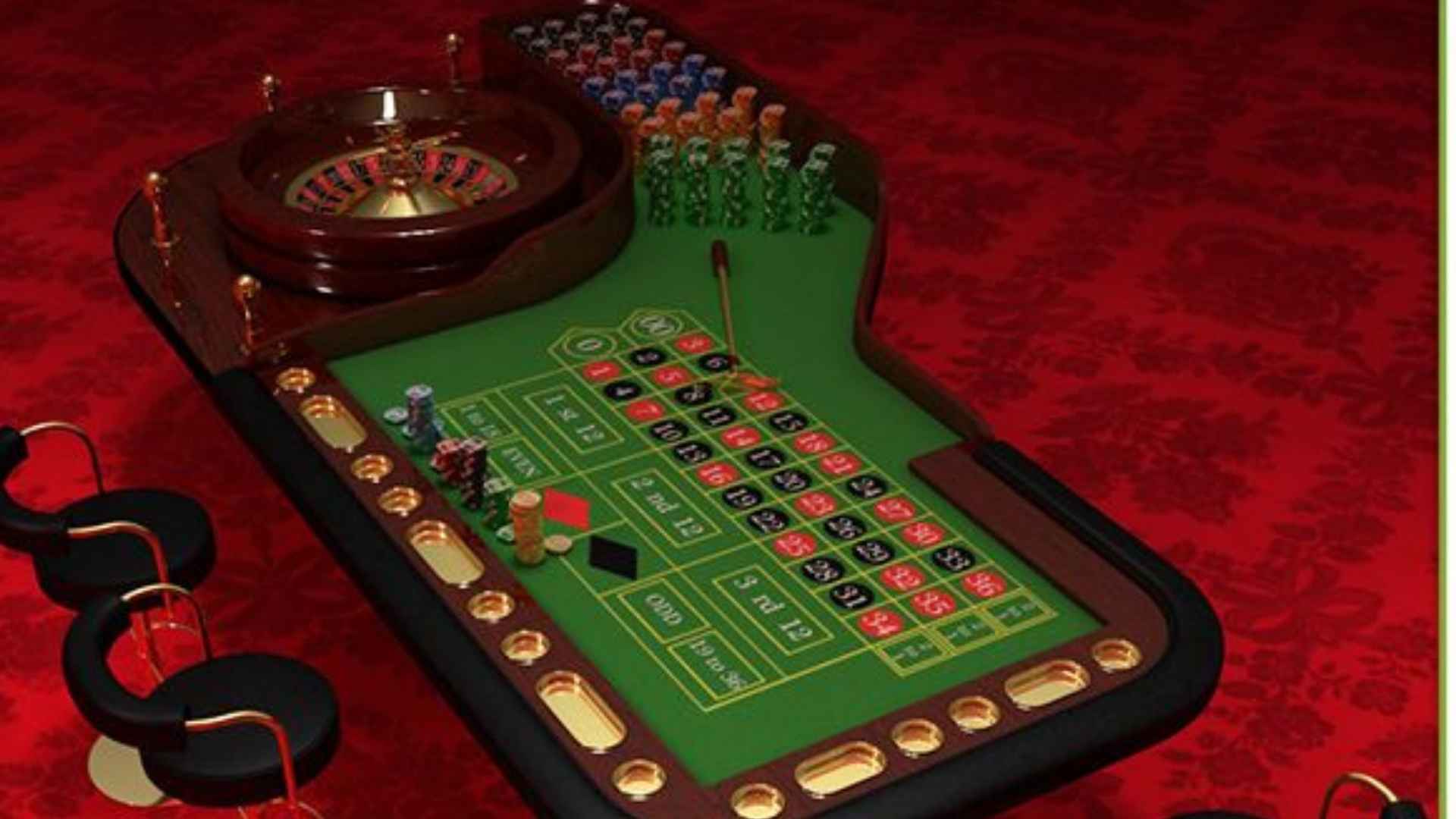
Sitting at a live poker table involves navigating a complex social landscape where verbal and non-verbal communication dictate the flow of the game. Utilizing proper table language not only clarifies strategic intentions but also fosters mutual respect among competitors. By adopting a structured and polite vernacular, players can significantly improve the overall atmosphere and promote healthier gaming habits.
Verbal Clarity and Ethical Play
Clear verbal declarations are foundational to maintaining an orderly environment during a high-stakes session. Announcing actions like raises or folds explicitly prevents costly misunderstandings and accidental string bets. When players communicate their structural choices transparently, it builds trust and ensures the game moves forward at a steady pace.
Furthermore, avoiding ambiguous vocabulary helps reduce unnecessary friction between participants and tournament staff. Players who consistently practice precise phrasing demonstrate a high level of professionalism that elevates the standard of the entire table. This disciplined approach eliminates psychological traps that rely on verbal manipulation rather than mechanical skill.
Fostering Respectful Table Etiquette
The phrases chosen during a hand can actively influence the emotional control and focus of everyone involved. Encouraging polite phrases, such as acknowledging a strong play by an opponent, establishes a friendly yet competitive culture. Conversely, toxic banter or excessive complaining about bad beats often degrades the experience for recreational enthusiasts.
Promoting a constructive linguistic framework helps beginners feel welcomed rather than intimidated by regular players. Before sitting down at a digital or live felt, accessing a reliable resource or finding a reputable portal like login situs m88 can offer deeper insight into structural game rules. Maintaining respectful interactions ensures the focus remains entirely on strategy, risk management, and mathematical probability.
The Impact of Silent Communication
Beyond explicit spoken declarations, the silent dialogue shared through physical timing and gestures plays a massive role in table dynamics. Seasoned veterans observe pacing tells to gather tactical information without forcing verbal responses from their opponents. Developing a consistent mechanical routine for placing bets keeps the atmosphere professional and predictable.
Controlling micro-expressions and maintaining neutral postures prevents sharp competitors from reading your hidden card combinations. When everyone at the table respects the shared space by avoiding disruptive movements, the game becomes a sophisticated battle of wits. This collective discipline transforms a casual hobby into an organized exercise in psychological endurance.
Cultivating Accountability Across Sessions
Healthy table habits ultimately stem from a shared social contract that every participant implicitly signs before the cards are dealt. Using language that emphasizes personal accountability rather than blaming luck encourages long-term strategic growth. Shifting the conversation toward analytical breakdowns helps elevate the collective knowledge of the poker community.
When regular players model excellent verbal habits, newcomers quickly adapt to the established decorum of the card room. This cycle of positive reinforcement ensures that tournaments run efficiently and remain highly engaging for all skill levels. Ultimately, mastering the language of the game is just as vital as understanding card rankings and mathematical odds.